 Special Mention for Sustainability
 Ramallah
Palestine
Ramallah
Special Mention for Sustainability
Ramallah Youth City Council (RYCC) website
https://www.facebook.com/R.Municipality
Ramallah Municipality website
The practice on the ParticipateOIDP website
https://participate.oidp.net/processes/award2026/f/304/proposals/3938
Ramallah is located in the central West Bank, approximately 16 kilometres north of Jerusalem, and has a population of around 85,000 inhabitants. With a median age of 21.4 years, it is characterised by a predominantly young population and serves as a political, cultural and administrative centre in Palestine. Despite operating under the constraints of prolonged occupation, including restrictions on movement, land use and access to resources, the Ramallah Municipality has developed a long-term vision centred on resilience, inclusion and participatory governance. Within this framework, children and young people are recognised as key actors in shaping the city's future.
The Ramallah Youth City Council (RYCC) was established in 2008, coinciding with the centenary of the Ramallah Municipality and the adoption of its first municipal strategic plan. Conceived as a permanent mechanism for youth participation, the initiative sought to move beyond occasional consultations by creating a democratically elected youth council through which adolescents could engage directly with local government. Over more than fifteen years of continuous implementation, the RYCC has become an institutional component of the municipality's governance structure and of its broader Child-Friendly City strategy.
The practice is designed around a three-year electoral cycle involving young people aged 14 to 17 from governmental, private, UNRWA and schools serving students with hearing disabilities. Every three years, elections are organised according to a standardised process that includes awareness sessions in schools, candidate registration, election campaigns and voting supervised by the Central Elections Commission and the Ministry of Education. Twenty-two representatives are elected to form the Youth City Council, ensuring representation across different educational systems and social backgrounds while promoting gender balance.
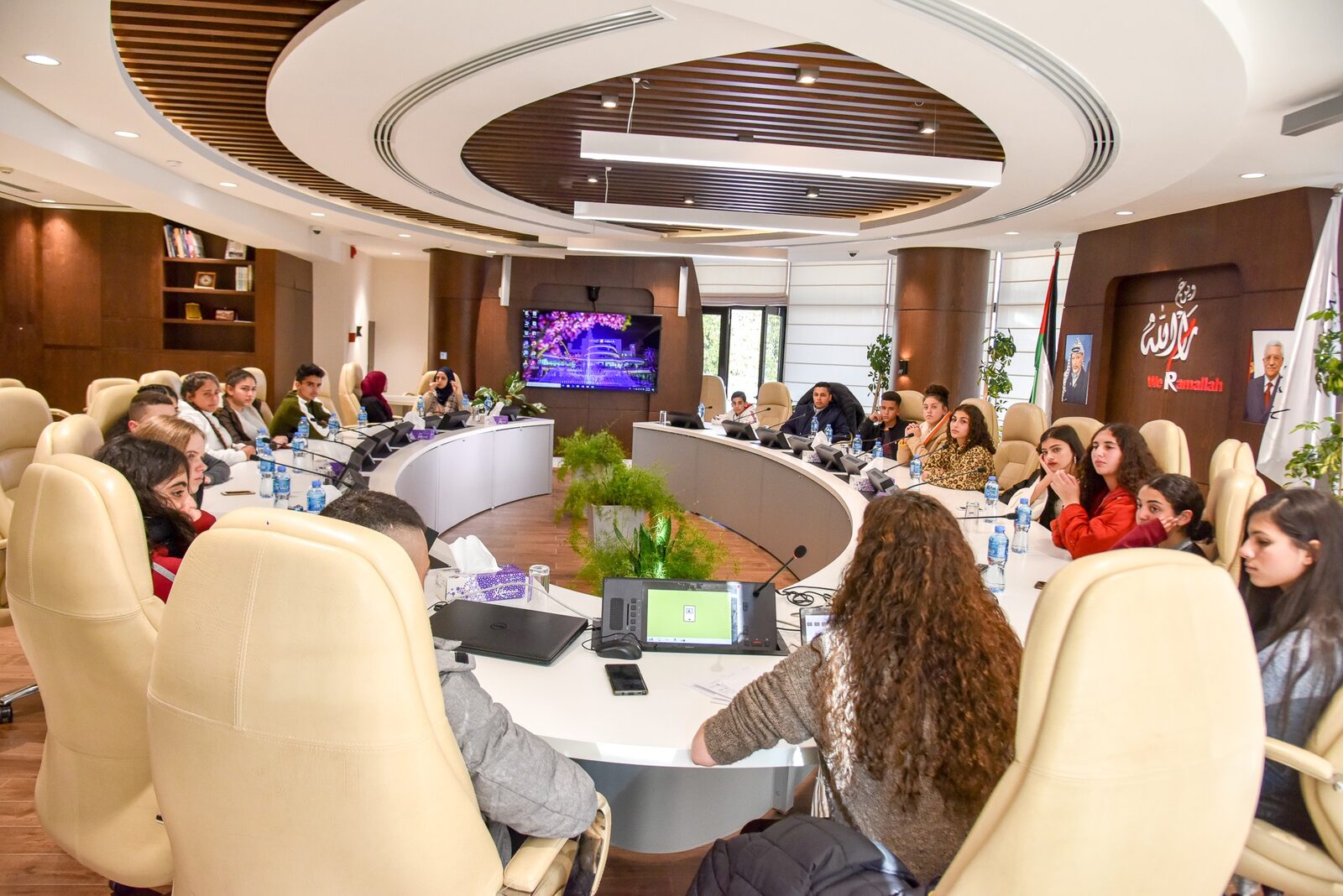
Following the elections, newly elected members participate in a structured capacity-building programme covering civic education, local governance, municipal regulations, leadership, communication and human rights. Facilitated by the Municipality's Youth and Children Division, together with educators, municipal departments and external specialists, this training prepares members to participate effectively in municipal affairs while strengthening their understanding of democratic institutions and public administration.
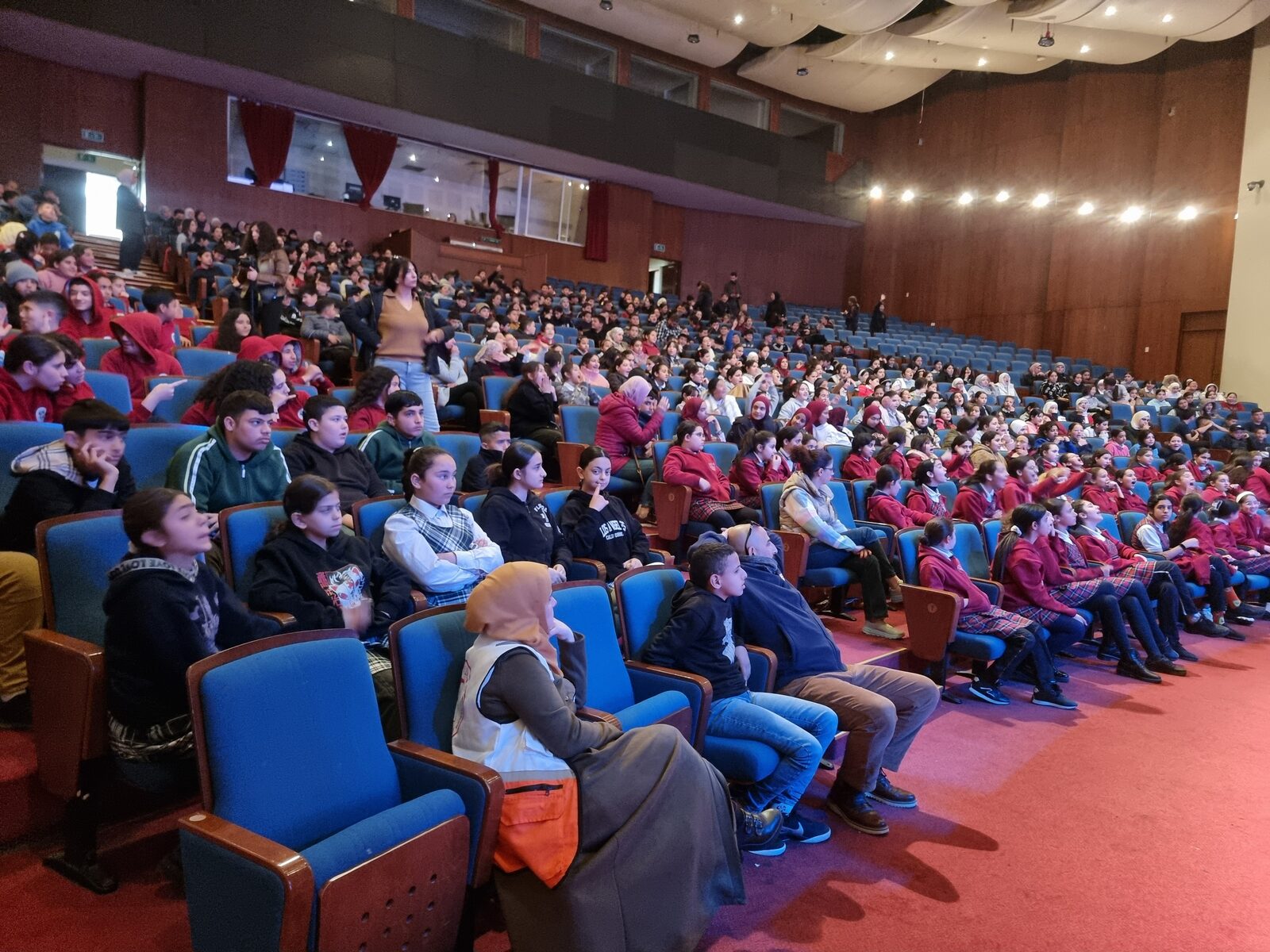
Rather than functioning as a symbolic youth body, the Council operates as a standing participatory institution embedded within municipal governance. Members meet weekly according to an annual work plan developed by the Council itself and aligned with municipal priorities. They engage in regular dialogue with municipal officials, contribute to consultations on local policies and services, propose initiatives and participate in awareness campaigns addressing issues such as children's rights, bullying, cybersecurity, social inclusion and civic responsibility. One of the practice's distinctive features is the Municipality Day, during which Youth Council members temporarily assume the roles of mayor, city director and senior municipal officials, allowing them to experience decision-making processes from within the local administration.
A central innovation of the practice lies in its transformation of youth participation into a permanent, democratically elected governance mechanism. Rather than relying on ad hoc youth consultations or project-based engagement, the RYCC institutionalises participation through regular elections, internal bylaws, recurring training programmes and continuous interaction with municipal departments. This continuity has enabled youth participation to become part of the municipality's regular planning and decision-making processes instead of remaining dependent on individual projects or political mandates.
The practice also places particular emphasis on inclusion. Representation extends across governmental, private, UNRWA and disability-focused schools, ensuring participation from young people with different social, educational and economic backgrounds. Accessibility measures, including sign language interpretation throughout meetings and public activities, support the meaningful participation of young people with hearing disabilities. Communication combines school networks, municipal platforms, public events, social media and the municipality's mobile application, while feedback mechanisms ensure that recommendations made by the Youth Council are documented, transmitted to relevant departments and communicated back to participants.
Monitoring and evaluation are integrated into the methodology. Activities, recommendations and outcomes are documented throughout each three-year term and reviewed through regular meetings, reflection sessions and participatory assessments involving Youth Council members. Feedback is used to adapt training programmes, improve communication strategies and refine future work plans. Accountability is reinforced through a clear governance structure, protected municipal funding, documented decision-making processes and regular reporting to municipal leadership.
The long-term institutionalisation of the Council has been a key factor in its sustainability. Since 2008, successive Youth City Councils have operated under the same democratic framework, supported by dedicated municipal staff, a protected annual budget and integration within the municipality's long-term strategies. The model has remained adaptable by adjusting thematic priorities, engagement methods and safeguarding measures in response to changing political and social circumstances while maintaining its core participatory structure.
According to the municipality, the RYCC has engaged hundreds of elected youth councillors and thousands of students through elections, consultations, campaigns and civic activities since its establishment. Youth recommendations have informed discussions on public spaces, municipal services, safety, inclusion and children's rights, contributing to the development of child- and youth-responsive policies, including the municipality's Child-Friendly City Strategy. The practice has also strengthened civic awareness, leadership skills and trust between young people and local authorities, while reinforcing the municipality's capacity to embed child participation within local governance.
After more than fifteen years of continuous implementation, the Ramallah Youth City Council illustrates how democratic participation can be institutionalised from an early age through a permanent governance mechanism. By combining democratic elections, civic education, continuous dialogue with municipal authorities and structured follow-up, the practice has established a durable model for integrating children's voices into local decision-making and ensuring that youth participation remains a permanent component of municipal governance.







Jury comments
"The Ramallah Youth City Council is an exemplary model of sustainable participatory governance, demonstrating how youth participation can evolve from a project into a permanent municipal institution that continuously strengthens democratic engagement across generations."
"The practice stands out for its long-term institutionalization, transparent governance, and consistent renewal through democratic elections, ensuring that young people remain active partners in shaping local policies despite a highly challenging political and operational context."
"By embedding youth voices within municipal structures and adapting its role over time to respond to changing community needs, the initiative illustrates how sustained participation can build lasting civic capacity, resilience, and trust between young people and local government."
"A lasting investment in democracy that empowers young people to become active partners in local governance."