 Special Mention for Civic Tech
 Auckland
New Zealand
Auckland
E) Civic Tech
Special Mention for Civic Tech
Buzzly youth engagement platform website
Auckland Council website
The practice on the ParticipateOIDP website
https://participate.oidp.net/processes/award2026/f/304/proposals/3932
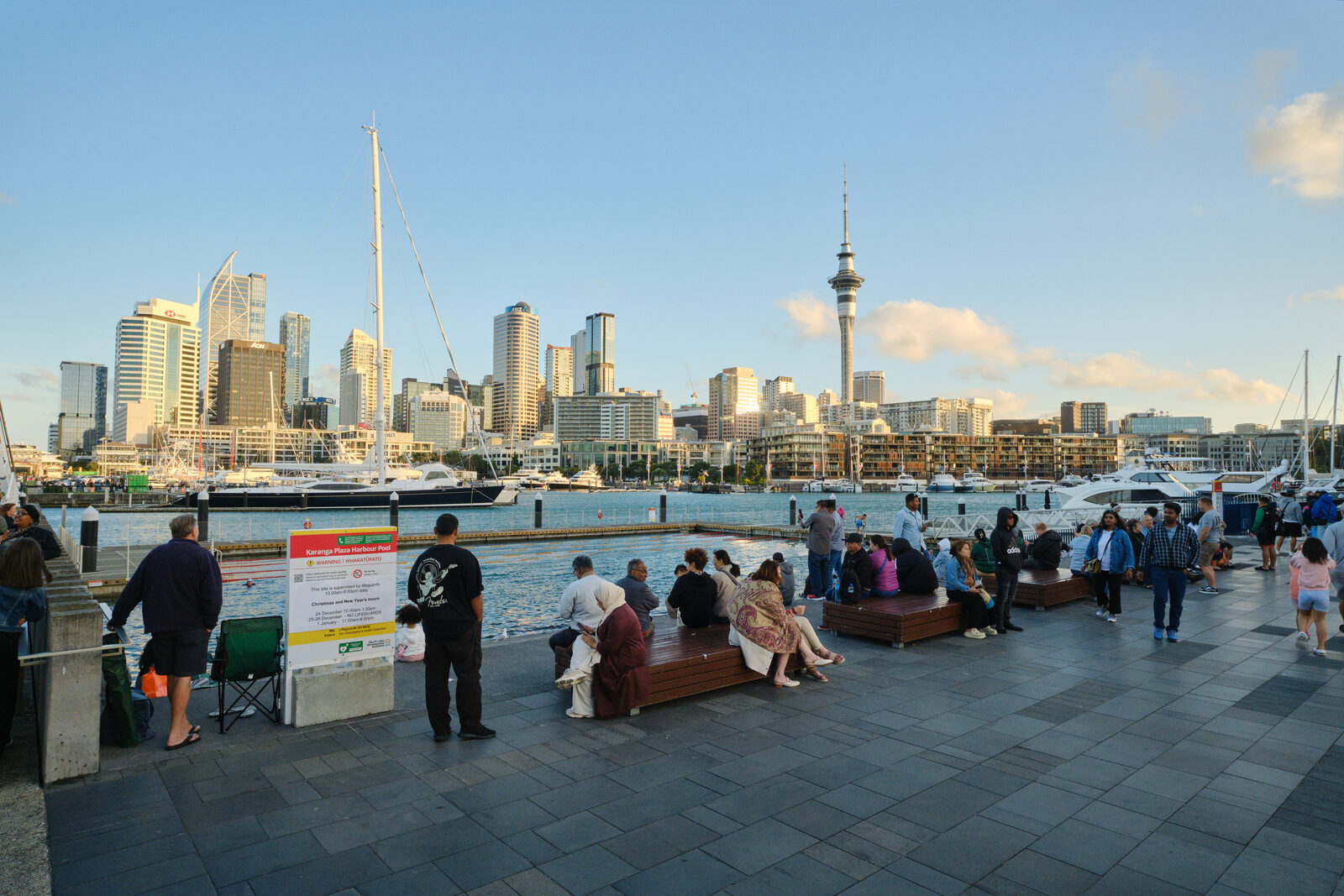
Auckland is New Zealand's largest city, with more than 1.6 million inhabitants, and one of the world's most culturally diverse urban areas. Alongside a significant Indigenous Māori population, the city is home to large Pasifika and migrant communities, while young people aged 13–24 represent a substantial and growing share of the population. According to the Auckland Council, these groups have traditionally been underrepresented in formal consultation processes, which often rely on written submissions, surveys and public hearings that do not reflect how young people communicate or engage with public issues.
To address these barriers, the Auckland Council launched Buzzly in 2024 as a digital participation platform designed to strengthen youth engagement in public decision-making. Rather than adapting existing consultation tools, the initiative introduces a participation model centred on creative expression, peer engagement and digital technology, while ensuring that youth contributions are integrated into formal planning and governance processes.
Each participation campaign begins when a Council department identifies a policy issue or planning process requiring public input. Departments complete a structured project canvas that defines the objectives, target groups, key messages and policy questions. The Buzzly team then works with youth ambassadors through a co-design process to develop each campaign, translating technical policy issues into accessible language and producing short videos and communication materials tailored to young audiences.
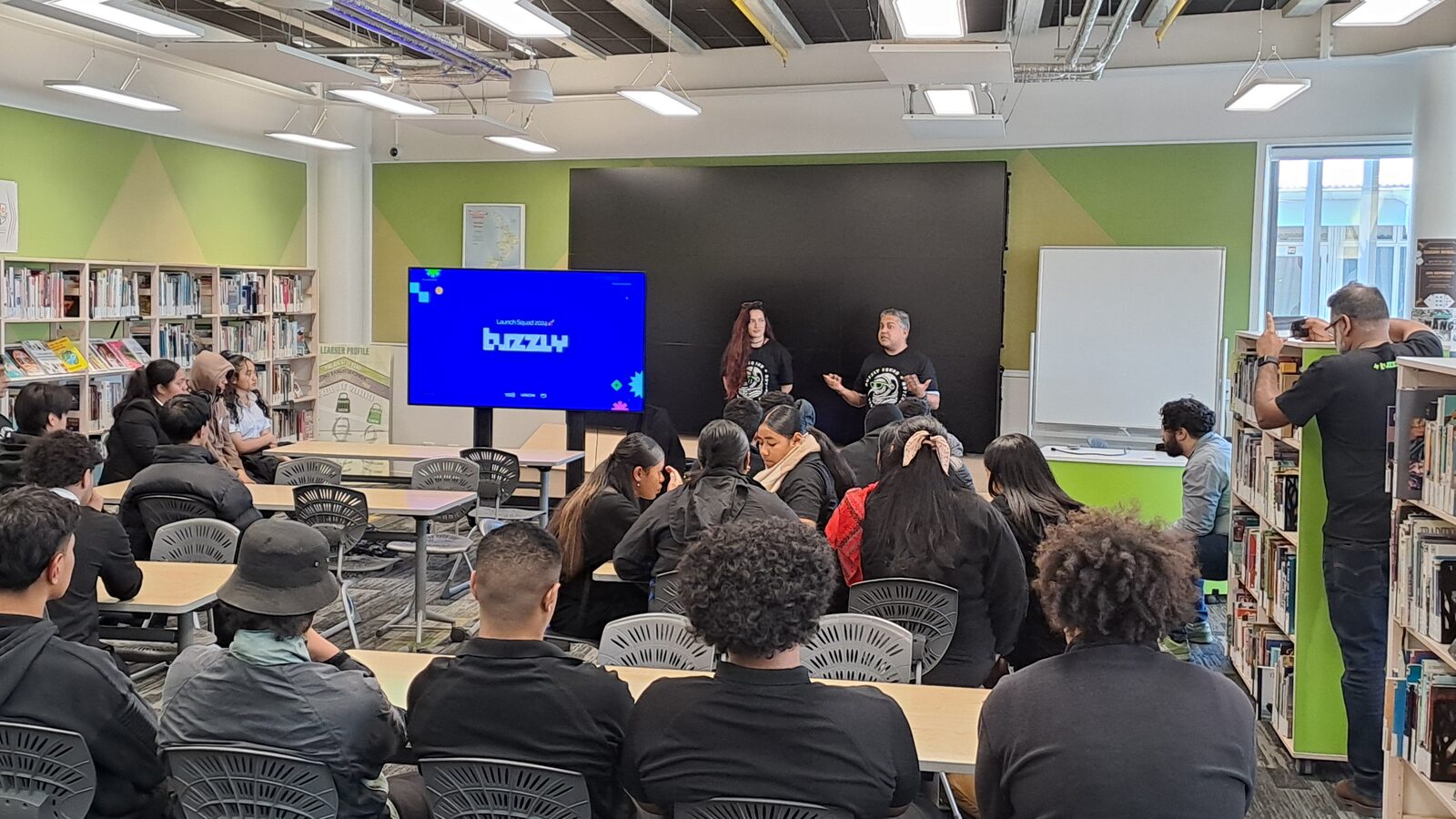
Campaigns, presented as online "Challenges", remain open for three weeks. During this period, young people aged 13–24 are invited to contribute through formats that reflect their preferred forms of communication, including video, visual art, spoken word, storytelling and written submissions. Fifty youth ambassadors lead peer-to-peer outreach through social media, while partnerships with schools and community organisations broaden participation among different youth communities.
One of the practice's main innovations is its redesign of public consultation around creative participation. Instead of requiring written responses, the platform recognises multiple forms of expression as legitimate contributions to policymaking. Participants receive personalised feedback on their submissions together with small financial rewards recognising their civic contribution, while particularly creative entries may receive additional recognition. Selected participants are also invited to meet Council representatives and learn how their contributions will inform public decisions.
A second innovation concerns the governance of participants' contributions. Young people retain full intellectual property rights over the content they create, and any reuse by the Council requires their explicit consent and additional compensation. According to the municipality, this rights-based approach seeks to move beyond extractive consultation by recognising youth contributions as valuable creative and civic work.
After each campaign closes, submissions are analysed using AI-enabled qualitative synthesis combined with human review. Rather than replacing human interpretation, artificial intelligence is used to identify recurring themes across diverse creative submissions and produce structured insights reports. These reports are made available through a sponsor dashboard and are used by Council departments and Local Boards to integrate youth perspectives into planning, policy development and service design.
The practice also incorporates measures to broaden participation among groups that are often underrepresented in civic processes. Māori, Pasifika and migrant youth are actively involved in the co-design of campaigns through the youth ambassador network, helping ensure that communication strategies and engagement methods are culturally relevant. Partnerships with 12 schools and community organisations further support outreach and participation across different communities.
Buzzly combines digital participation with institutional integration. The platform is currently embedded across 11 Auckland Council departments, while its findings contribute to planning processes across the city's 21 Local Boards. An advisory board composed of Council representatives, youth organisations and members of the technology sector provides strategic oversight, and each campaign concludes with evaluation sessions involving Council staff and youth ambassadors to refine future engagement processes.
According to the Auckland Council, since its launch the platform has registered 2,710 young participants, who have generated 2,050 submissions across 37 civic campaigns. Forty-two percent of participants identify as Māori or Pasifika and 40% as migrants, increasing the participation of communities that have traditionally been less represented in formal consultation. More than NZD 60,000 has been distributed directly to participants through the platform's reward system.
The application also reports that youth contributions have informed several public policy processes, including Auckland's 30-year Water Resilience Strategy, while Buzzly insights are now incorporated into all 21 Local Board Plans (2025–2026). Beyond individual consultations, the platform has contributed to embedding youth participation within the Council's governance processes and to developing new approaches for integrating digital participation, creative expression and AI-supported analysis into public decision-making.








Jury comments
"Buzzly sets a benchmark for digital participatory democracy by placing young people at the centre of public decision-making, combining civic technology, co-design, and innovative engagement methods to ensure their voices meaningfully shape municipal policies."
"The practice stands out for transforming youth participation from occasional consultation into an institutionalized process, successfully engaging diverse and traditionally underrepresented young people while demonstrating how digital innovation can strengthen inclusive governance."
"By recognizing young people as partners in policymaking and creating accessible, creative, and sustained pathways for participation, Buzzly offers an inspiring model of civic innovation with significant potential to influence the future of democratic engagement."
"A forward-looking model that redefines youth participation through creativity, technology, and shared decision-making."